Bug Cochineal Dye

Starbucks Admits Using Dye From Bugs People S Daily Online

Bug Juice Red Food Coloring Bug Juice Scary Food

Cochineal Bugs Dye Hands Craft Store

Cochineal Coloring Is That A Bug In Your Food Arts Culture

The Essential Herbal Blog Vegans Beware Cochineal

Cochineal Interesting Thing Of The Day
It is derived from the female cochineal and from the eggs.
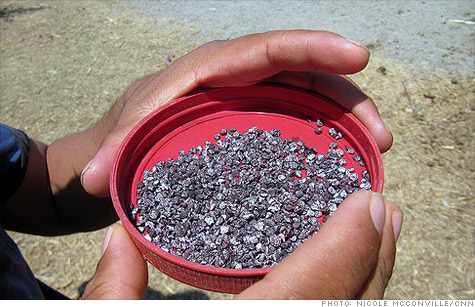
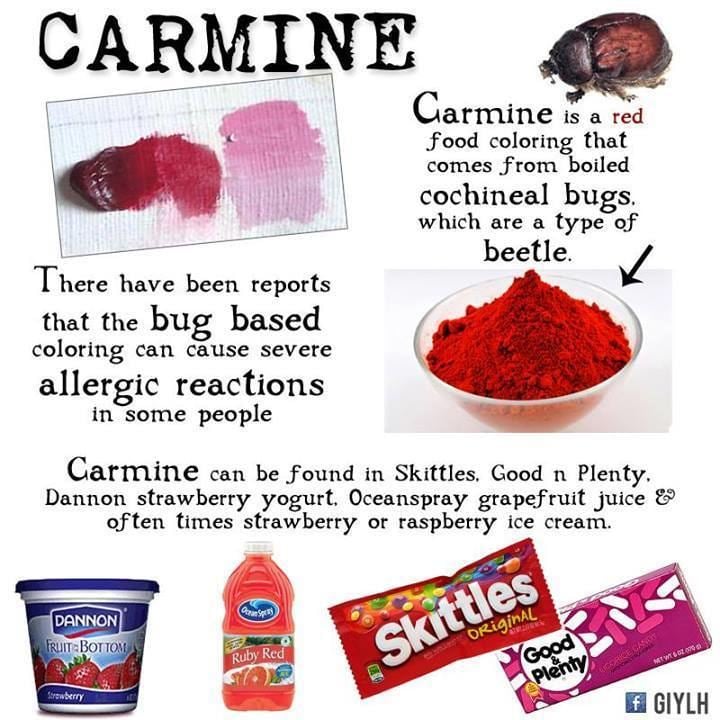
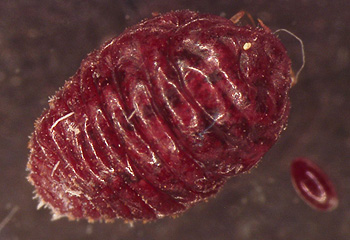
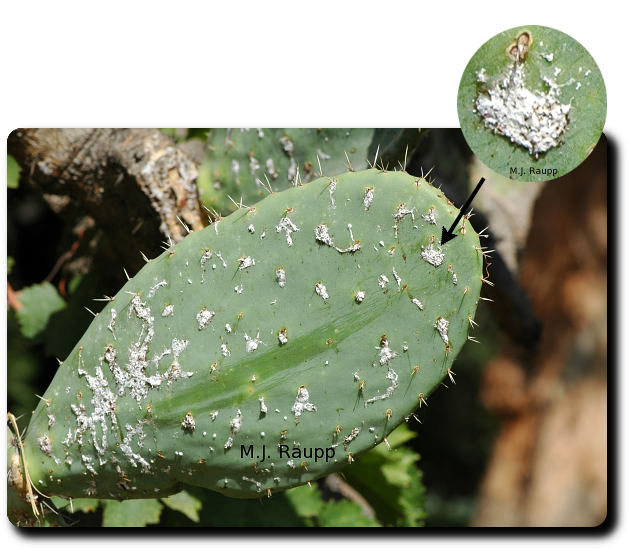
Bug cochineal dye. The dye is the result of the carminic acid that is produced by the insect as a natural repellent for other insect predators. News reports like to dwell upon phrases like smashed up wings and finely ground legs but the stuff we call cochineal is a chemical extract from squished female cochineal scales. Cochineal red dyestuff consisting of the dried pulverized bodies of certain female scale insects dactylopius coccus of the coccidae family cactus eating insects native to tropical and subtropical america. Cochineal is a red dye consisting of dried female cochineal insects that feed on the nopal cactus sucking moisture and nutrients from the flat prickly paddles.
Those indigenous peoples would collect cochineal insects. The red dye carmin red cochineal is obtained from the eggs of the female insect the total life cycle of females is between 60 to 120 days while the males cycle is 45 to 90 days. The body of the insect is 19 22 carminic acid. There the insects are sun dried crushed and dunked in an.
Wool dyed with cochineal carminic acid is extracted from the female cochineal insects and is treated to produce carmine which can yield shades of red such as crimson and scarlet. Dactylopius coccus was the source of a red dye used by aztecs and mexican indians for centuries before the arrival of the spaniards. They are a potent dye stuff and the source of a brilliant red that was imported to europe from mexico and peru. Cochineal is used to produce scarlet crimson orange and other tints and to prepare pigments such as lake and carmine qq v.
A high percentage of peruvian cochineal natural organic colorant comes from insect gathering by small farmer families. Commonly known as cochineal these scale insects are less than one quarter inch long and have flat oval shaped bodies. Today cochineals are harvested mainly in peru and the canary islands on plantations of prickly pear cacti the bugs preferred host.

Armenian Cochineal Wikipedia

Cochineal Insect Instructions Botanical Colors
Is Red Food Colouring Really Made From Bugs Quora

Scientists Make Red Food Dye From Potatoes Not Bugs
Cochineal Alchetron The Free Social Encyclopedia
Is It True That The Skittles Candy Is Made Out Of Bugs Quora

Meet The Bugs We Smoosh To Make Natural Red Dye Boing Boing

Cochineal Folk Fibers
Our Natural Dyestuffs Cochineal
Dye In The Desert Cochineal Insects I Dactylopius Coccus Bug

Starbucks Admits Its Strawberry Drinks Are Colored With Crushed

How Carmine The Red Dye Made From Bugs Makes It Into Your Food
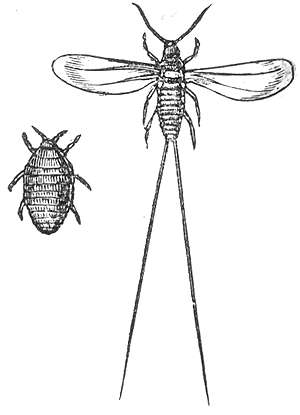
Cochineal Wikipedia